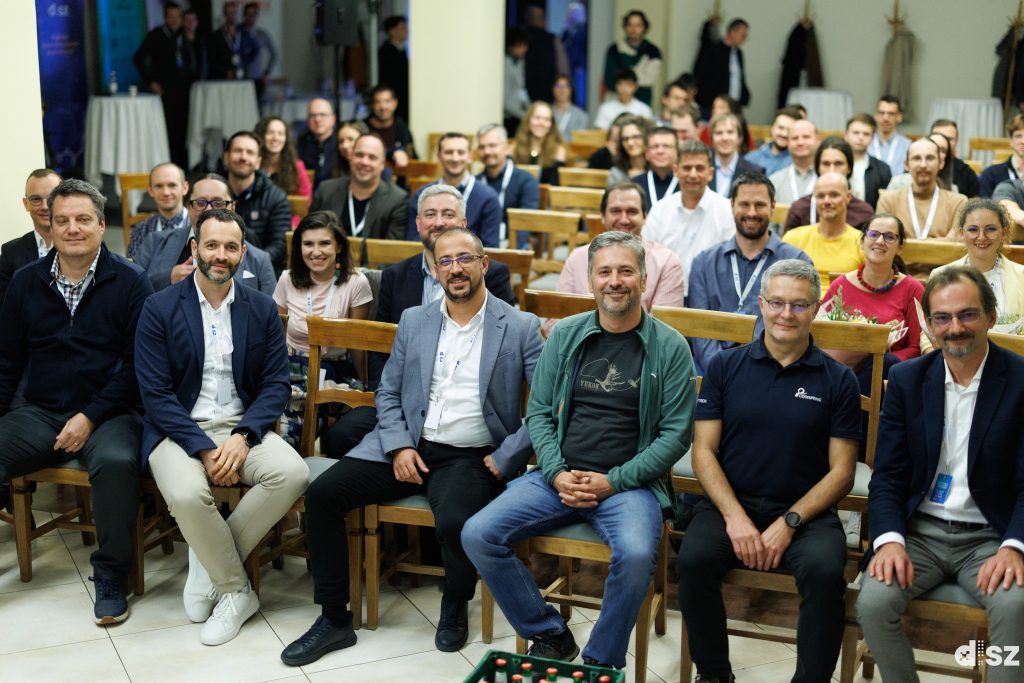
Egnosis at the 10th Digital Szeklerland Conference
The 10th Digital Szeklerland Conference brought together technology professionals, researchers, entrepreneurs and industry representatives in Odorheiu Secuiesc to discuss artificial intelligence, digitalization and the technologies shaping the future. It is one of the platforms where this idea comes to life. It brings relevant knowledge and new perspectives to the region, creates connections among local professionals, and provides space for ideas and visions that can contribute to the development of the wider community.
As a long-standing participant in the initiative, Egnosis contributed to the 2025 program with two presentations focusing on AI, health data and biomedical research.
Biobank.ro: a new approach to biomedical research
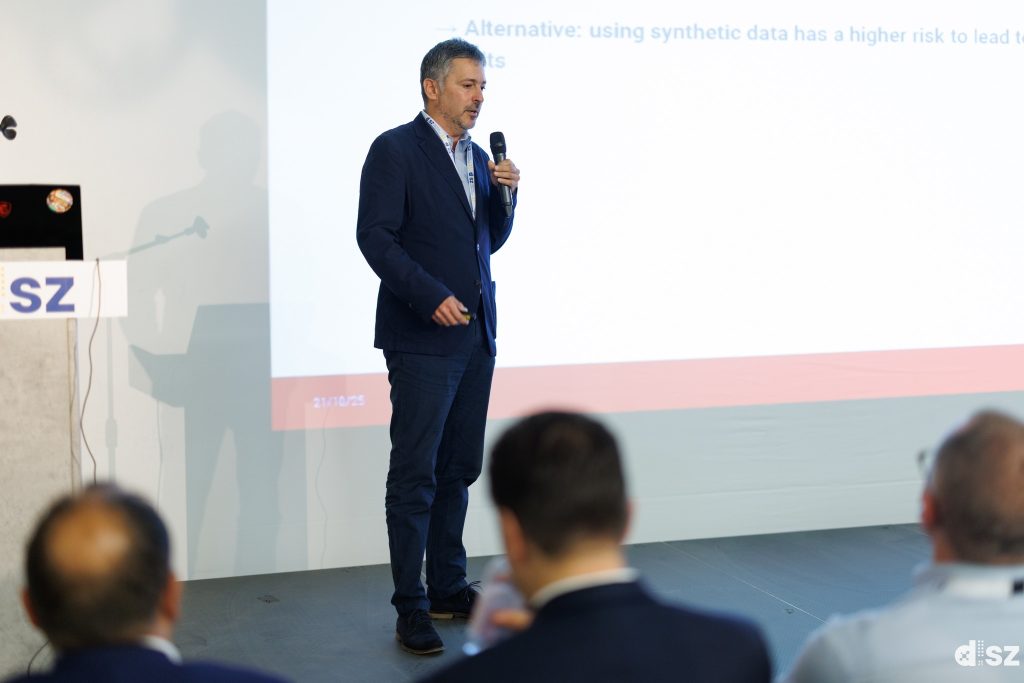
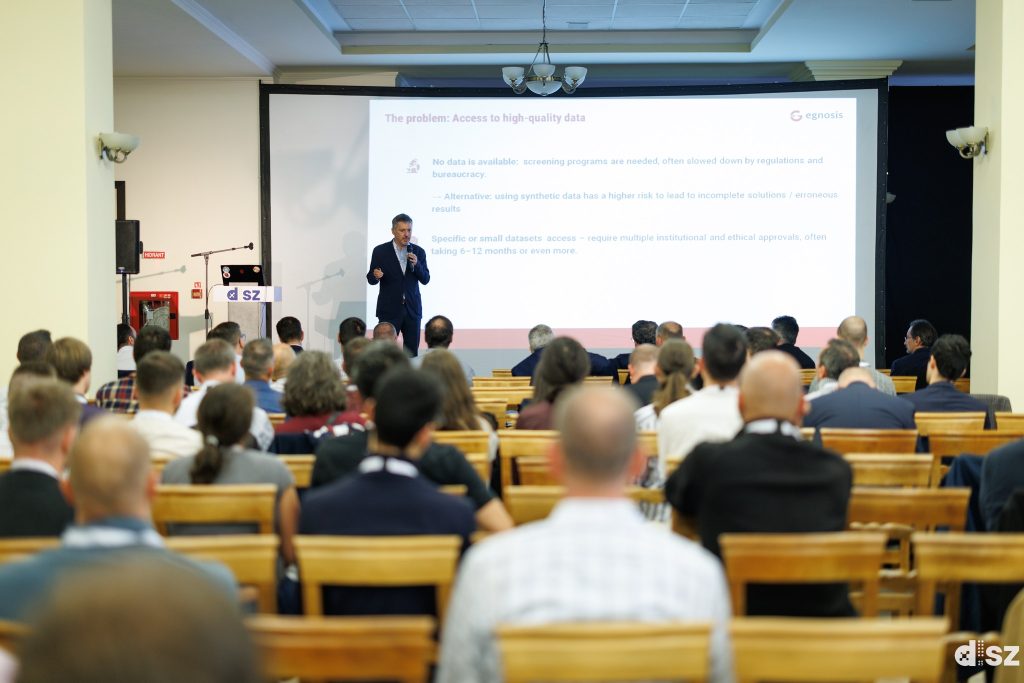
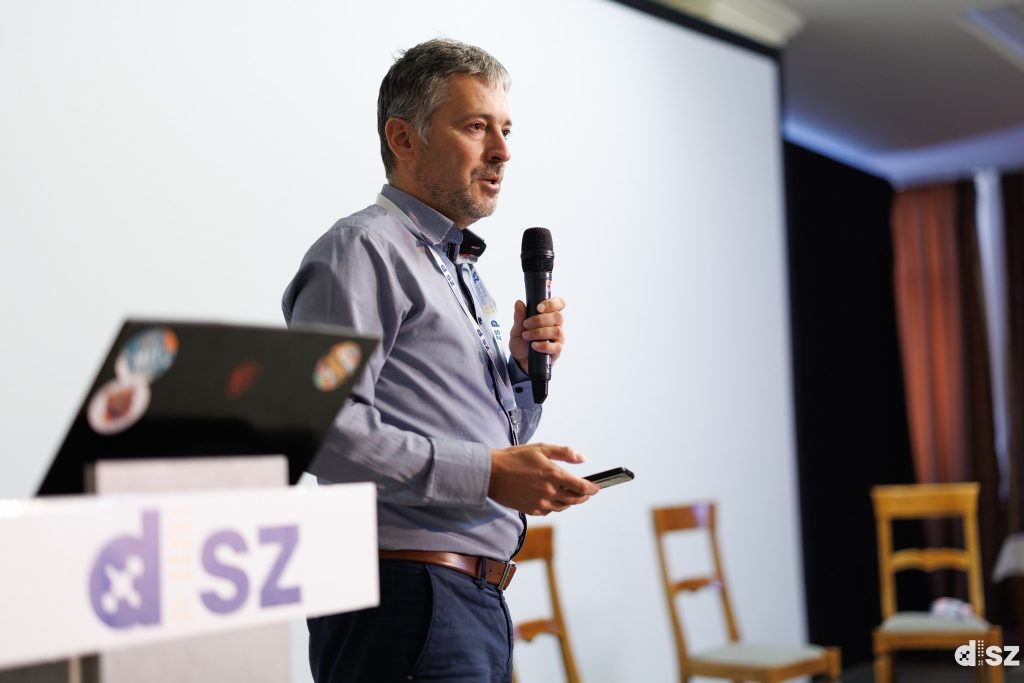
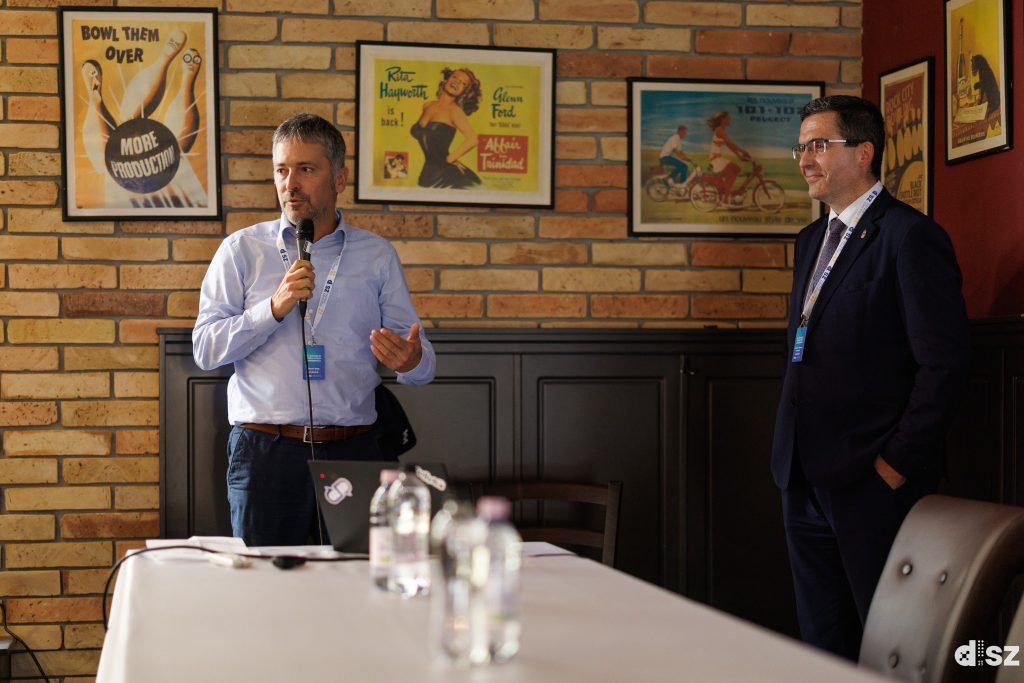
Béla Bihari, founder and managing director of Egnosis, presented the concept behind Biobank.ro, which was still in its early stages at the time.
The idea addresses an important challenge in biomedical research: combining biological samples with reliable, well-structured health data in a way that supports collaboration while respecting data protection requirements. The concept builds on Egnosis’ experience in European R&D projects involving health data, federated learning and privacy-preserving technologies.
AIDAVA: making health data more useful
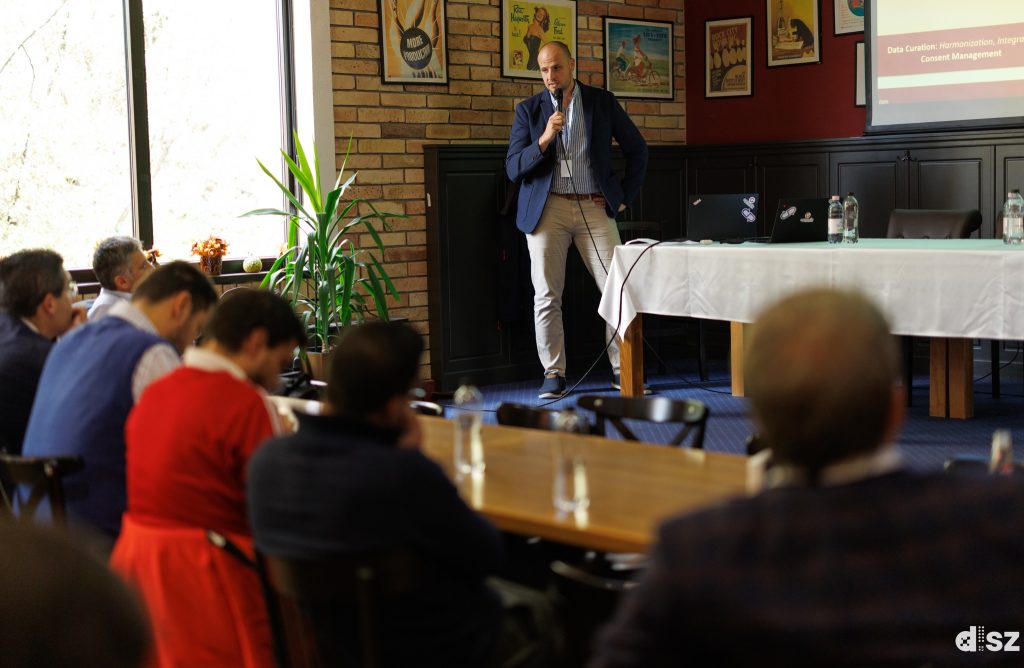
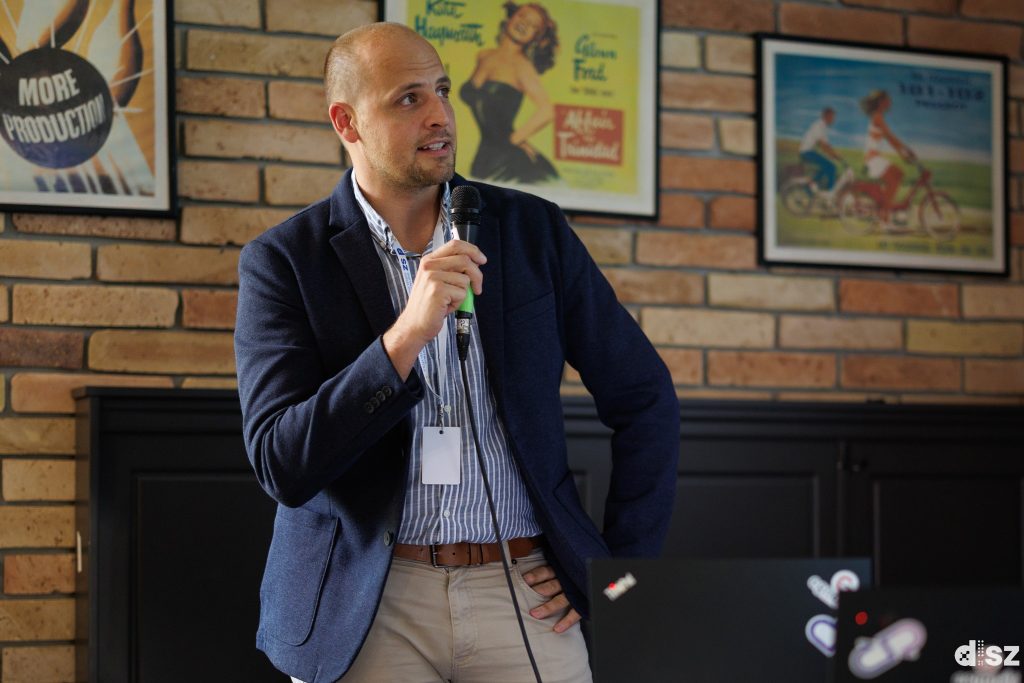
Dániel Dallos, Tech Lead and Software Architect at Egnosis and Work Package Leader in the AIDAVA project, presented the project’s approach to AI-supported health data curation and interoperability.
Health information is often distributed across different systems and formats — from hospital databases and laboratory results to PDFs and medical imaging. This fragmentation makes it difficult to combine, interpret and reuse health data. AIDAVA addresses this challenge by using AI-based tools to extract, structure and harmonize information from different sources. The project also uses the SNOMED ontology to create a Personal Health Knowledge Graph, providing a structured and language-independent representation of patient data. The curated data can support several use cases, including health registries, analytical applications and the generation of international patient summaries for clinical use. An important part of the project is data quality. AIDAVA goes beyond standardization by validating information and identifying inconsistencies or missing data, creating a more reliable basis for healthcare and research.
Technology that strengthens the community
The two presentations reflected two aspects of Egnosis’ work: developing new approaches to biomedical research and building technologies that make health data more structured, interoperable and usable.
But the broader value of events such as Digital Szeklerland lies in the exchange itself. Bringing high-level knowledge to Szeklerland, connecting local professionals and giving ambitious ideas room to grow helps create momentum for the region’s digital future.
For Egnosis, the conference is about more than technology. Szeklerland is a relatively small community, and building a strong local technology ecosystem requires collaboration. The IT Plus Cluster was established with this in mind: by bringing companies, professionals and knowledge together, the community can create a stronger voice, reach further and take on opportunities that would be harder to pursue individually.
Being part of this community means contributing not only with technology, but also with experience, knowledge and a willingness to build together. Because in a small community, working together is how we make a bigger impact.